
Swedish Energy Agency Project Wrap-Up: Verifying the Technology That’s Changing Forest Thinning
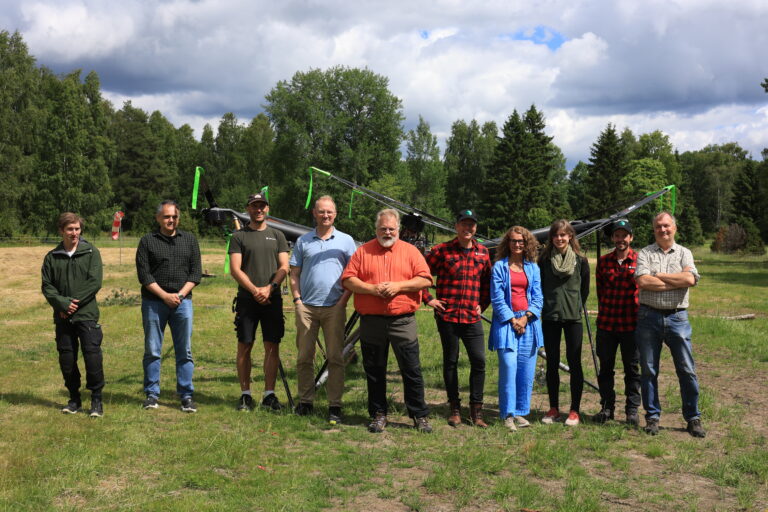
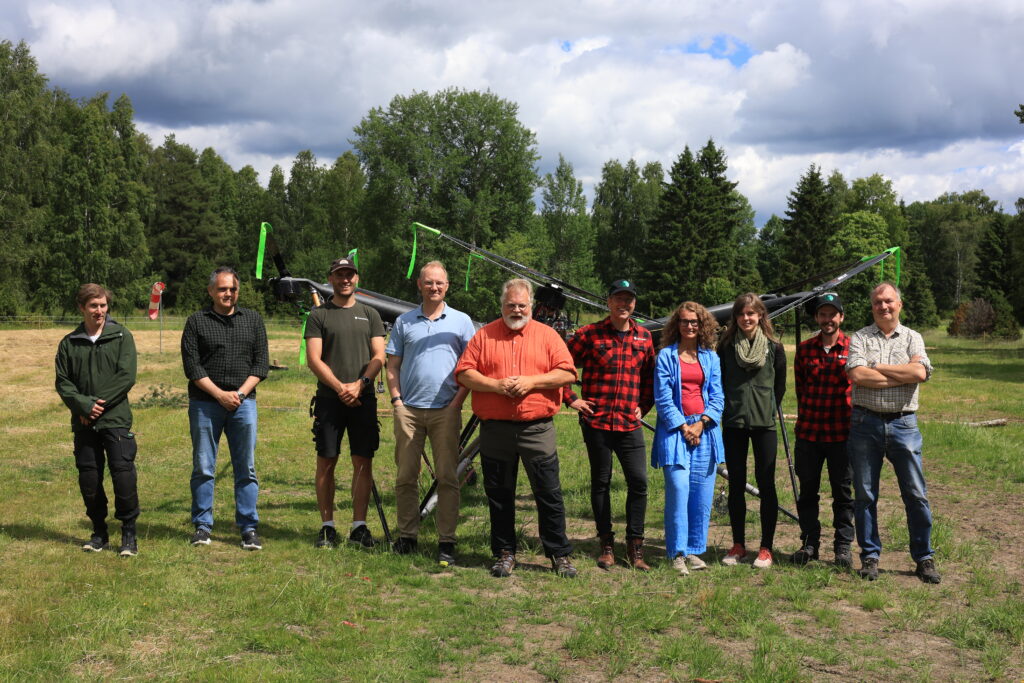
As our pilot project funded by the Swedish Energy Agency draws to a close, we're taking stock of what we've built, tested, and proven and what comes next.
The project's objective was straightforward: deploy a pilot installation and verify the critical technical and commercial performance of our system under real-world conditions. That meant moving beyond the test field and into actual forest operations.
A core deliverable was the development of a dedicated operator station, enabling both detailed manual control and automated operation through stable 5G communication with the drone. This infrastructure forms the backbone of scalable, remote forest operations. We also finalized the integration of our lightweight harvesting head with our proprietary drone platform — completing the full system concept and making the step from prototype to operational unit.
With the system in place, we initiated pilot operations harvesting trees in a real thinning forest. This phase allowed us to put the technology through its paces in the conditions it was designed for: dense stands, variable terrain, and the operational demands of commercial forestry.
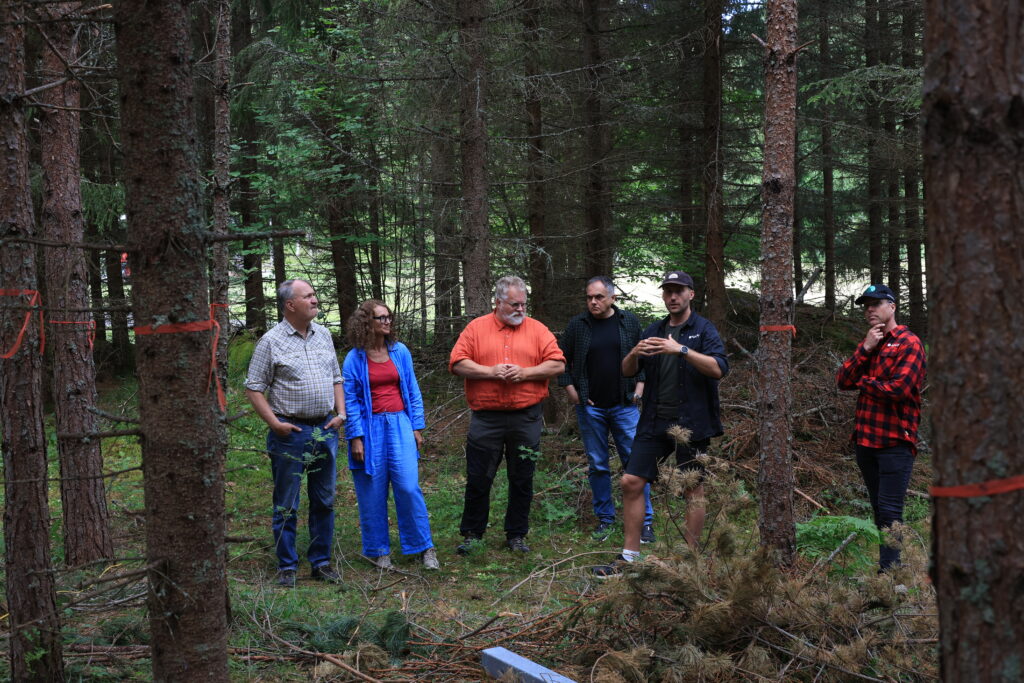
The project also included a dedicated research component. Skogforsk worked alongside us to optimize forest management methods, simulating and evaluating different precision thinning approaches across a range of parameters. A key finding: by eliminating ground disturbance and enabling smarter, more precise thinning, forest value can increase by up to 8%. The environmental impact of ground-free operations was further examined through literature studies, adding a scientific foundation to what we observe in the field.
This project would not have been possible without Billerud, who served as reference partner and landowner throughout or without the Swedish Energy Agency, whose funding gave us the runway to verify what we've spent years developing. The results speak for themselves. What began as a verification project has become the foundation for commercial deployment at scale.